
Pre-workshop Sessions at Rajmala School
Workshops conducted by: Kunal Jain & Jatinder Marwaha
Date: 12th May – 13th May, 2015
OVERVIEW
A significant aspect of the TripleC project is its geographical region and socio-cultural context. We considered it important to work with children from a semi-urban/rural region and to compare the feedback received with similar workshops held in urban areas. This comparison would provide insight into the level of exposure to technology and how it affects learning on new platforms as well exposure into different technical platforms.
Our selection was at the Rajmala School in Farukhnagar, state of Haryana in India.
WHY THIS SCHOOL
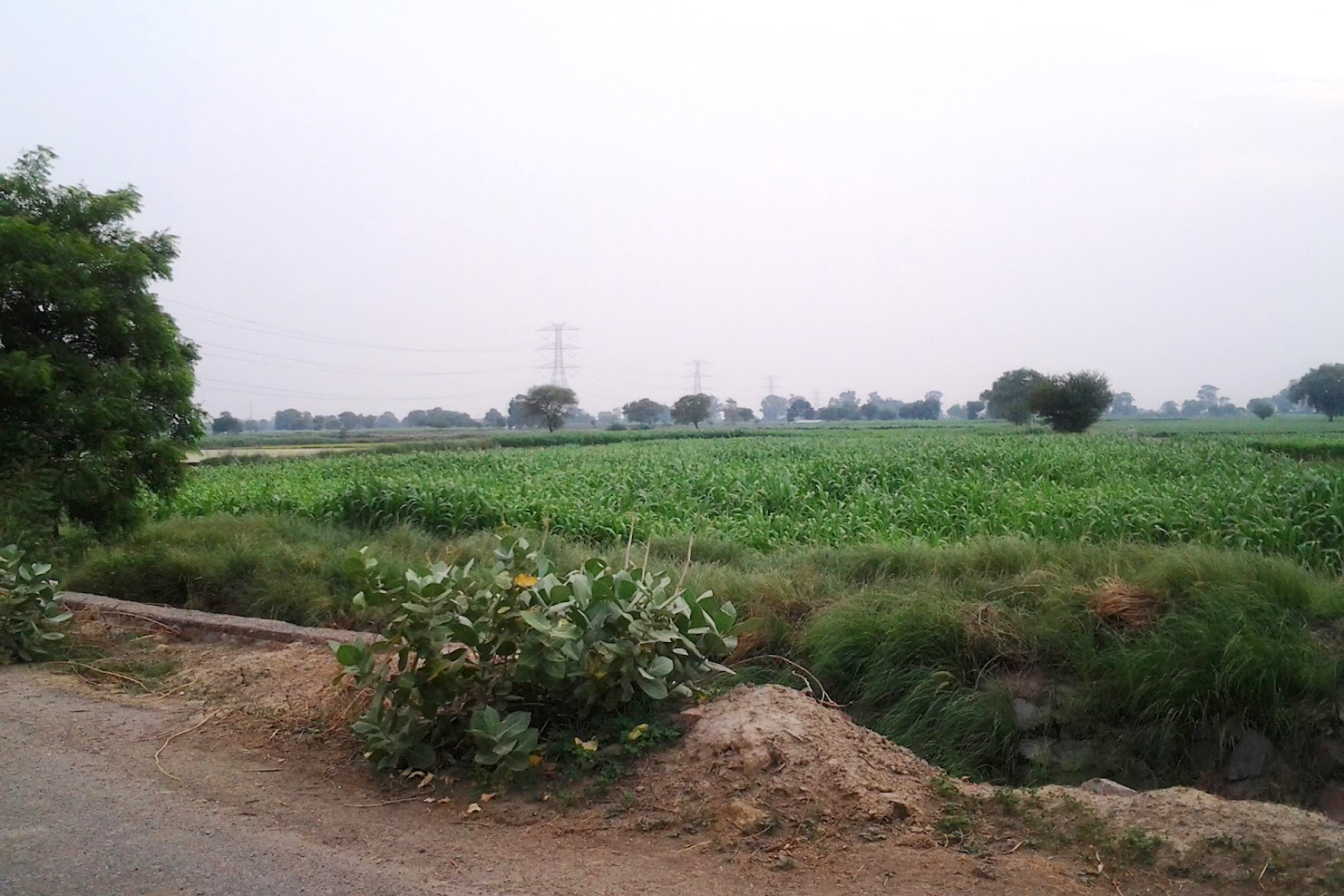
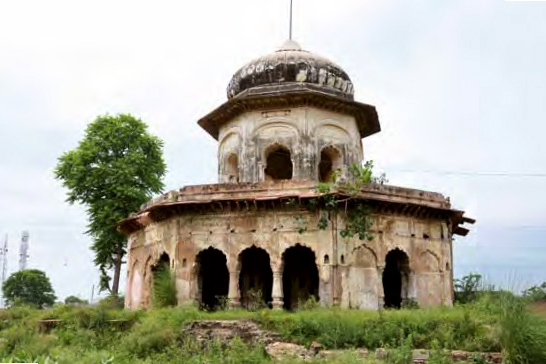
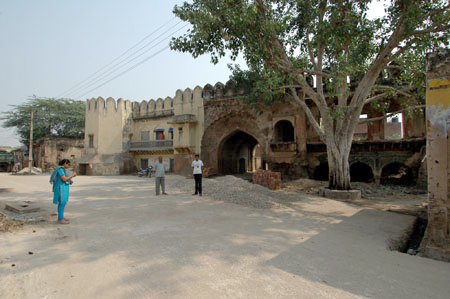
The settlement of Farukhnagar is in Gurgaon district of Haryana. It administrative history dates from the early 18th century when it is established as a feudal state under the Mughal emperor. Its economic activity is centered around agriculture, but its history includes salt mining until forced closure of the salt wells in the early twentieth cent.
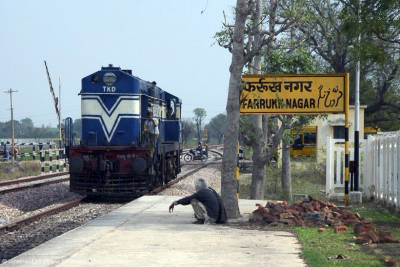
Farukhnagar has a population of 13,520, from 6,136 in 1901. Males were 53%, and females were 47% of the population in 2001. Male literacy was 73%, and female literacy was 55%, and the average literacy was 64%, slightly more than the national average, 59.5%. Children below six years were 14% of the population. There are seven educational institutions in the immediate area. It has a railway line, some trade, some industrial activity.
Rajmala school is located in Farukhnagar and serves as a free high school for the local children. The school is run on private philanthropy which pays for the school’s operating expenses.
GENDER BIAS AND EXPECTATIONS
The region in North India has shown a historical gender bias in favour of boys. The male child is perceived as the continuity of the bloodline as well as the economic support for the parents in their old age. Female children have traditionally been treated as a burden. However, it was interesting to see that our workshop population was 75% girls and 25% boys, with three female teachers assisting. This may lead us to slightly modify the workshop to include some focus on women’s role in technology though some guest presence in the future.
TECHNOLOGY AWARENESS
Due to its rural setting but relative proximity to the national capital, a reasonable level of technological exposure could be assumed. Income level the families indicated exposure to technology in the form of low-cost smartphones or computer desktops in labs. However, students were aware of the technological trends among the wealthier sections. But as expected, the understanding was more at a consumer level than a deeper empirical level.
THE WORKSHOP FORMAT
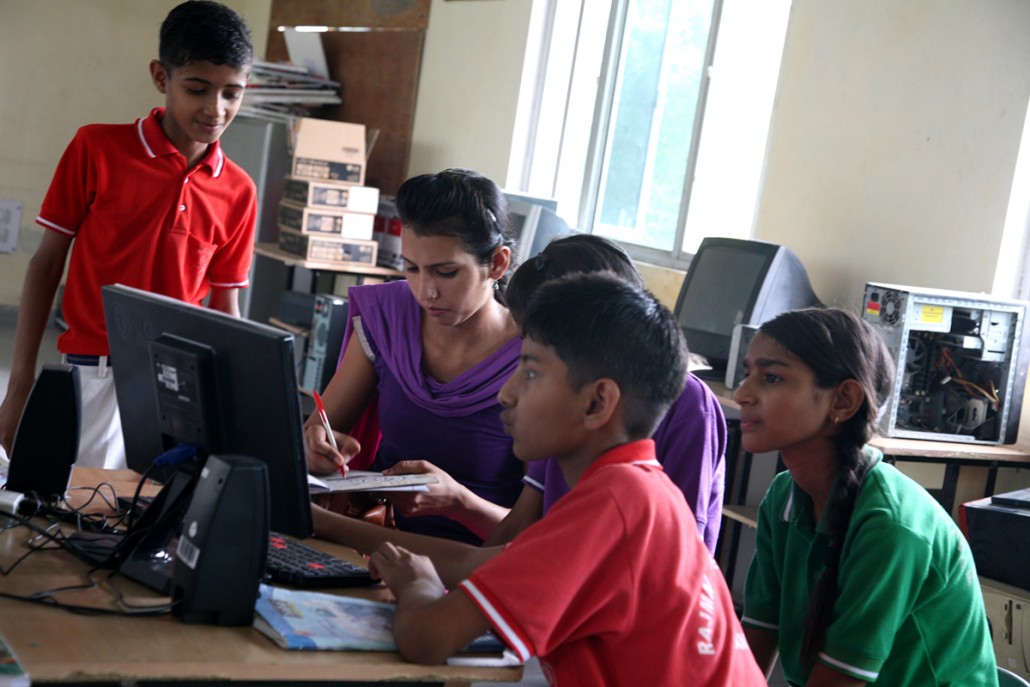
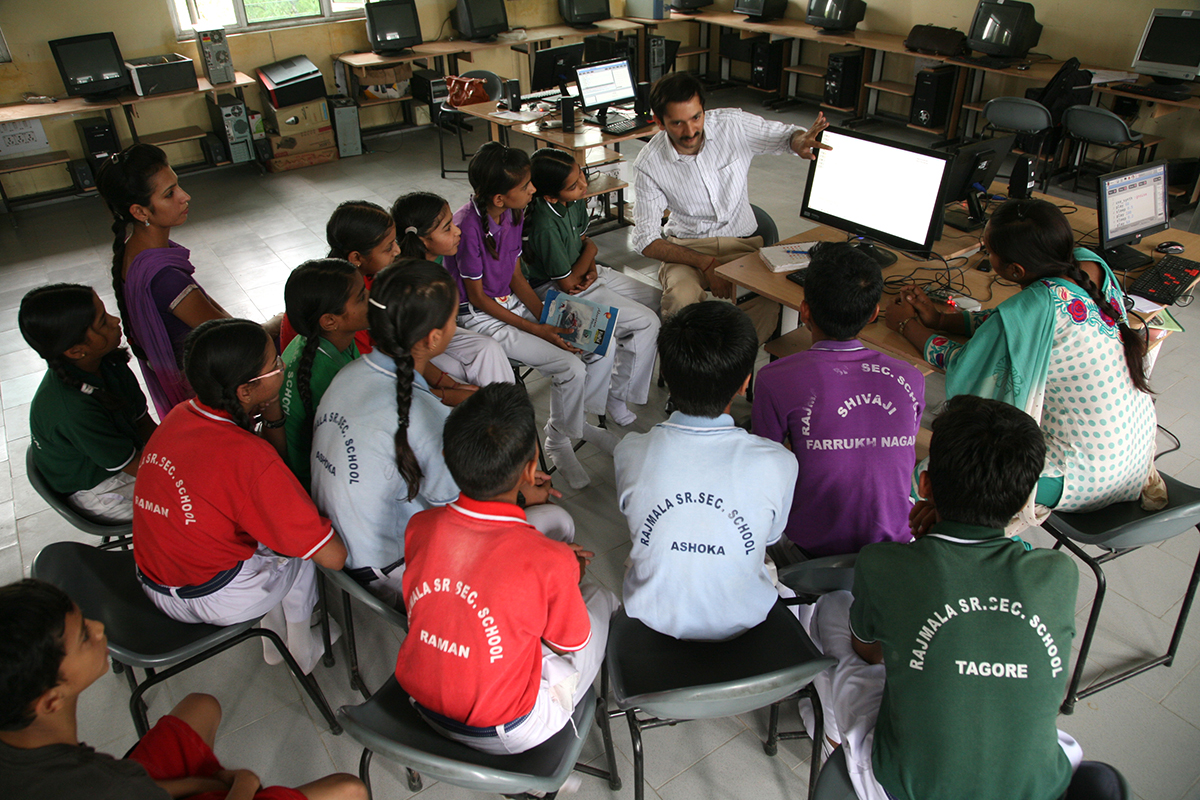
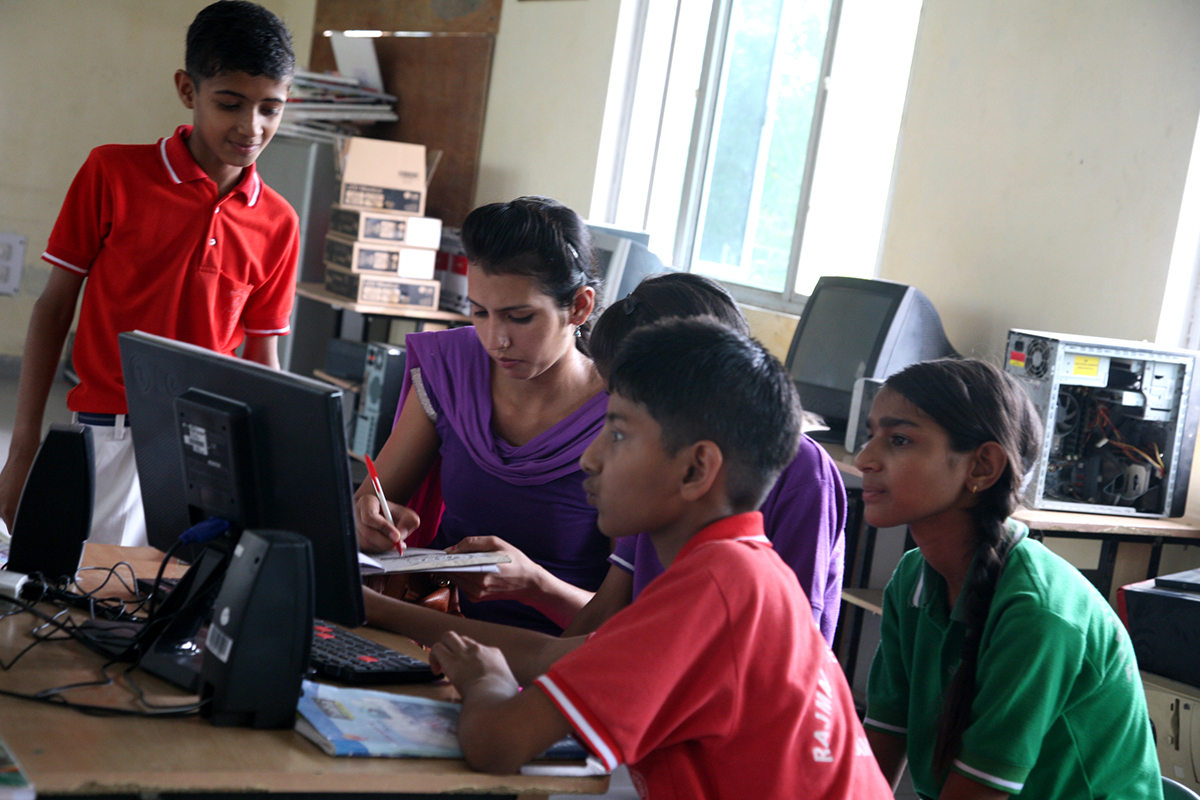
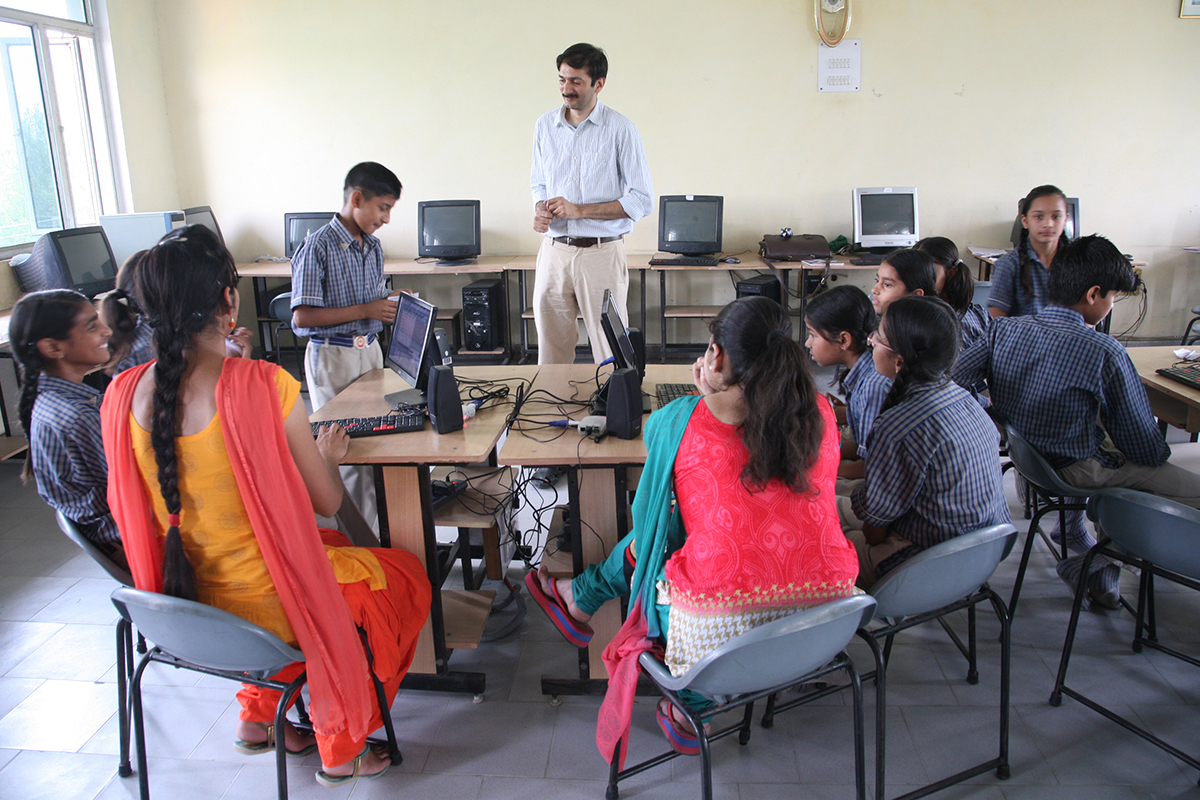
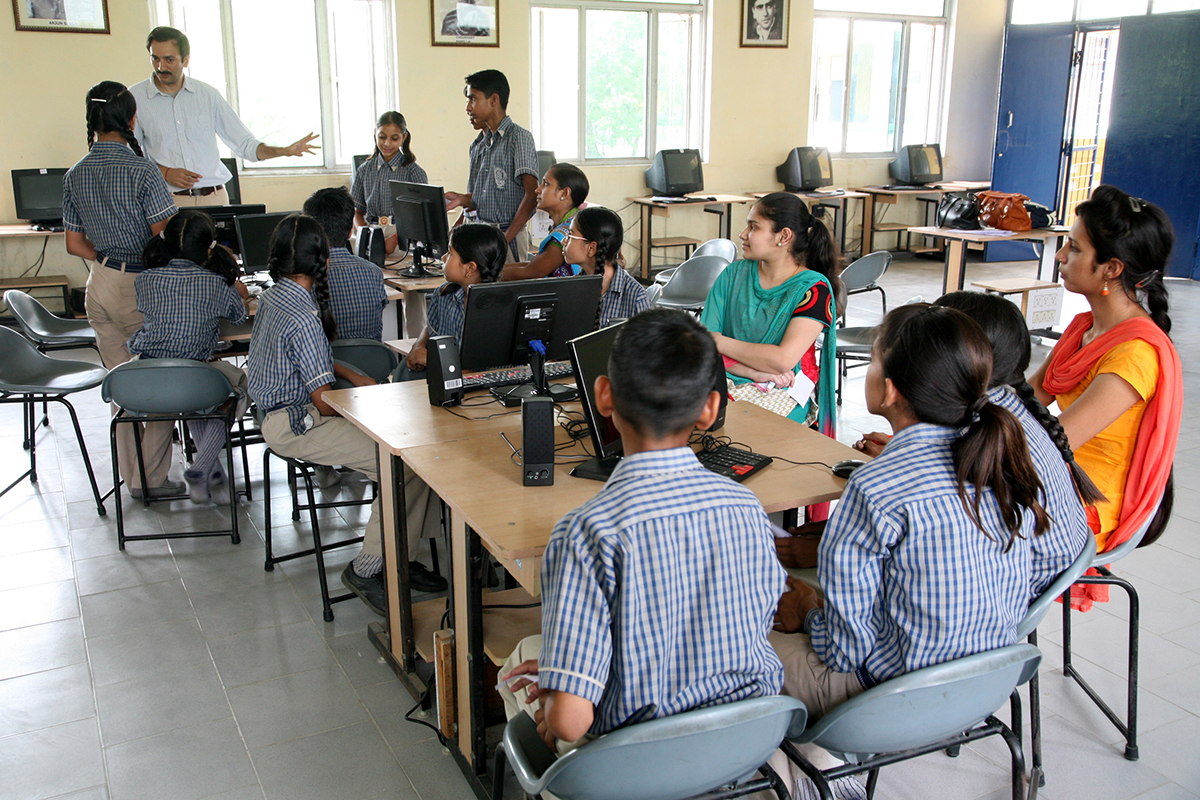
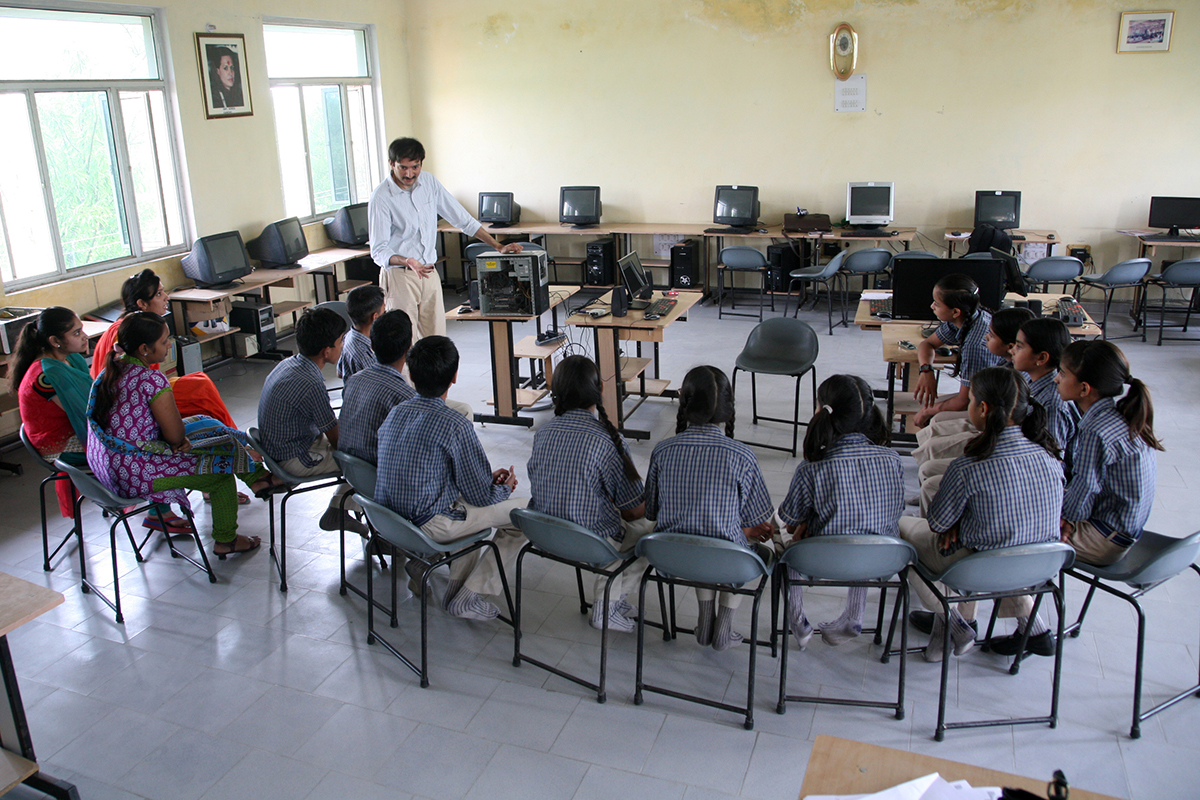
Four machines have been installed in the school’s computer lab, but with no air-conditioning. The lab has a few legacy machines with 14” CRT monitors, minimal power backup which coupled with frequent failures produced challenges of continuity and consistency.
The lesson plans used for the workshop was modified from our original 5-day lesson plan and greatly stripped down. It was also modified to include games and theater activities as a strategy to prepare the group for open learning and generally build some excitement and fun into the sessions.
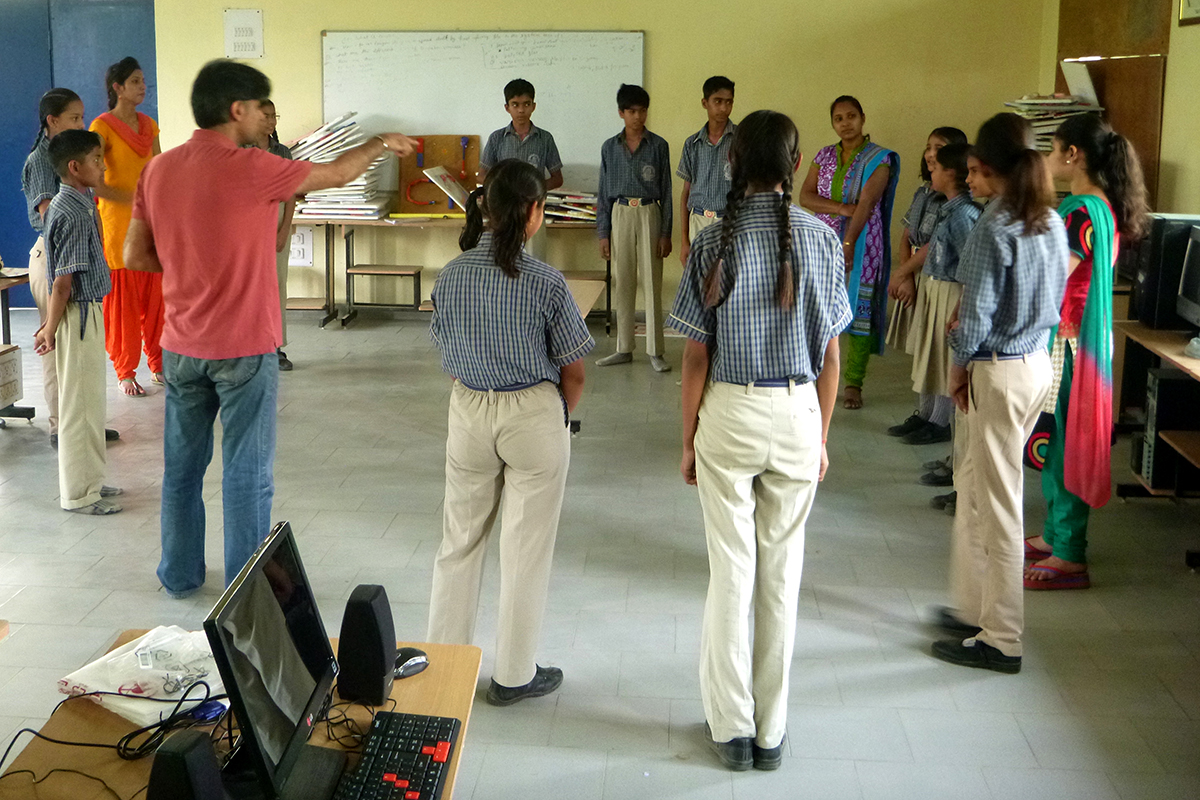
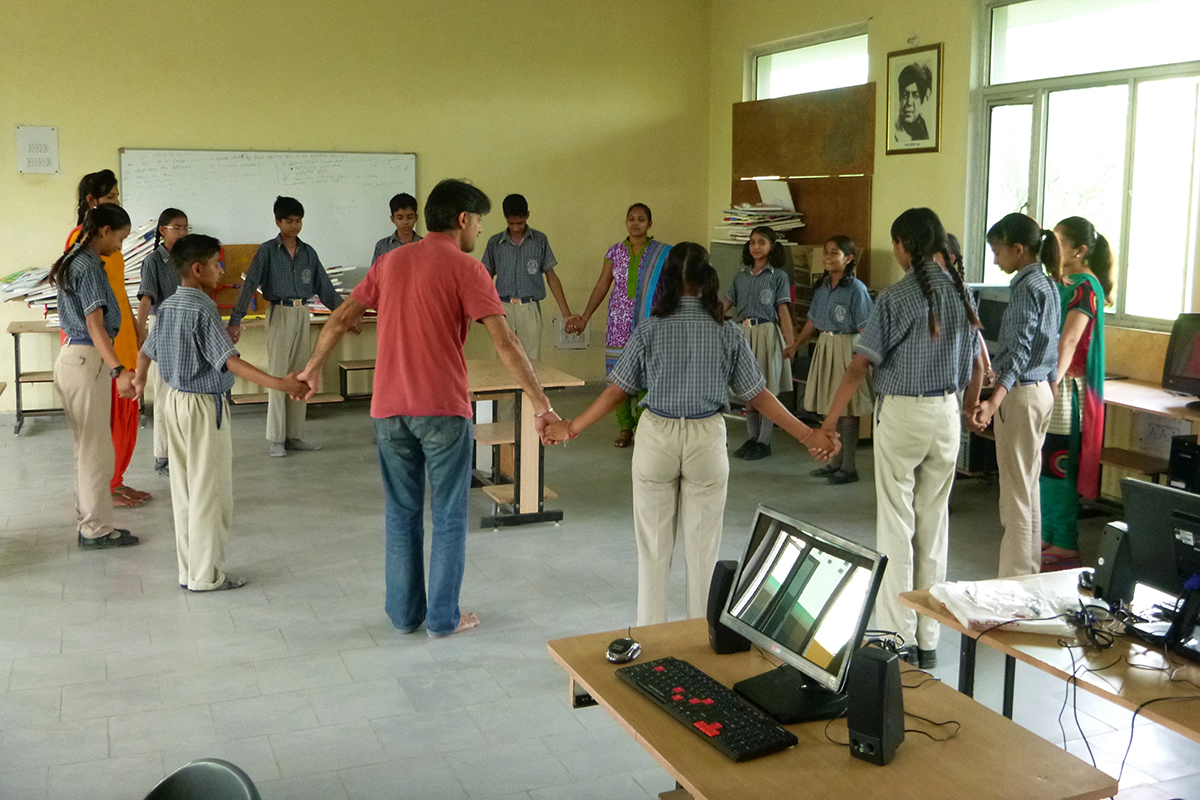
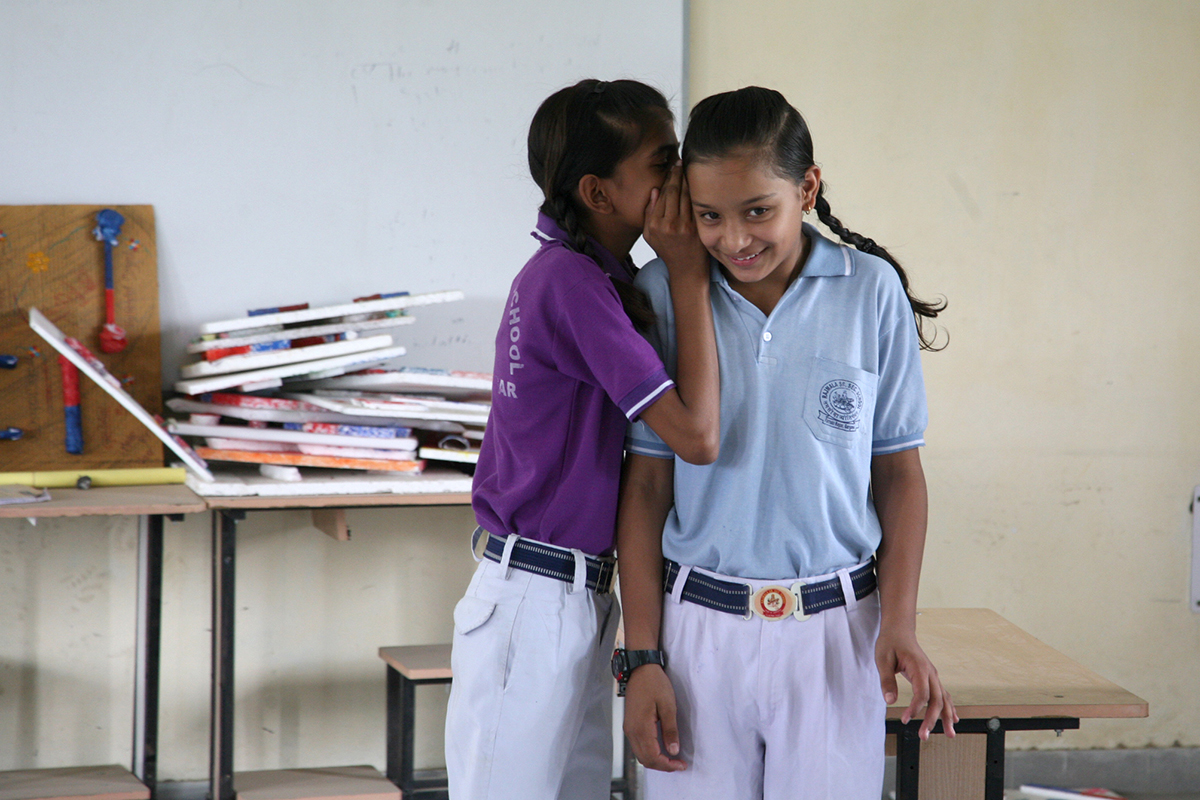
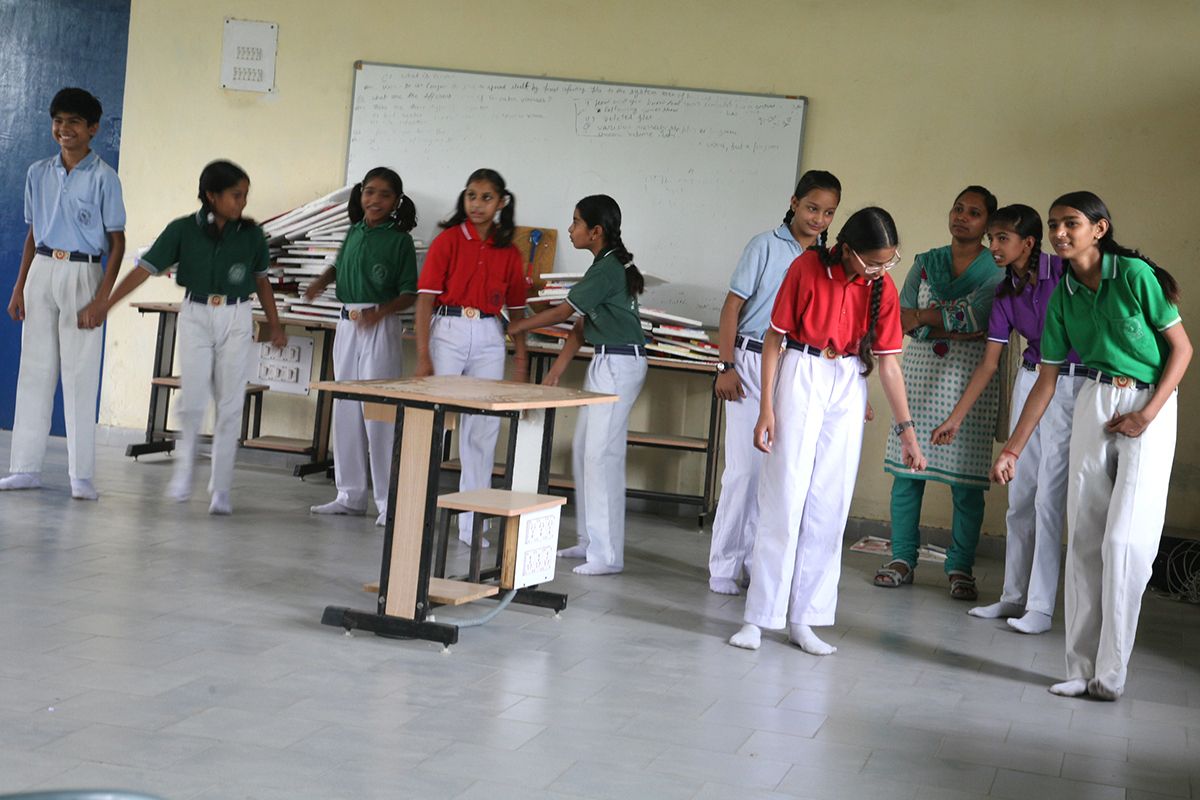
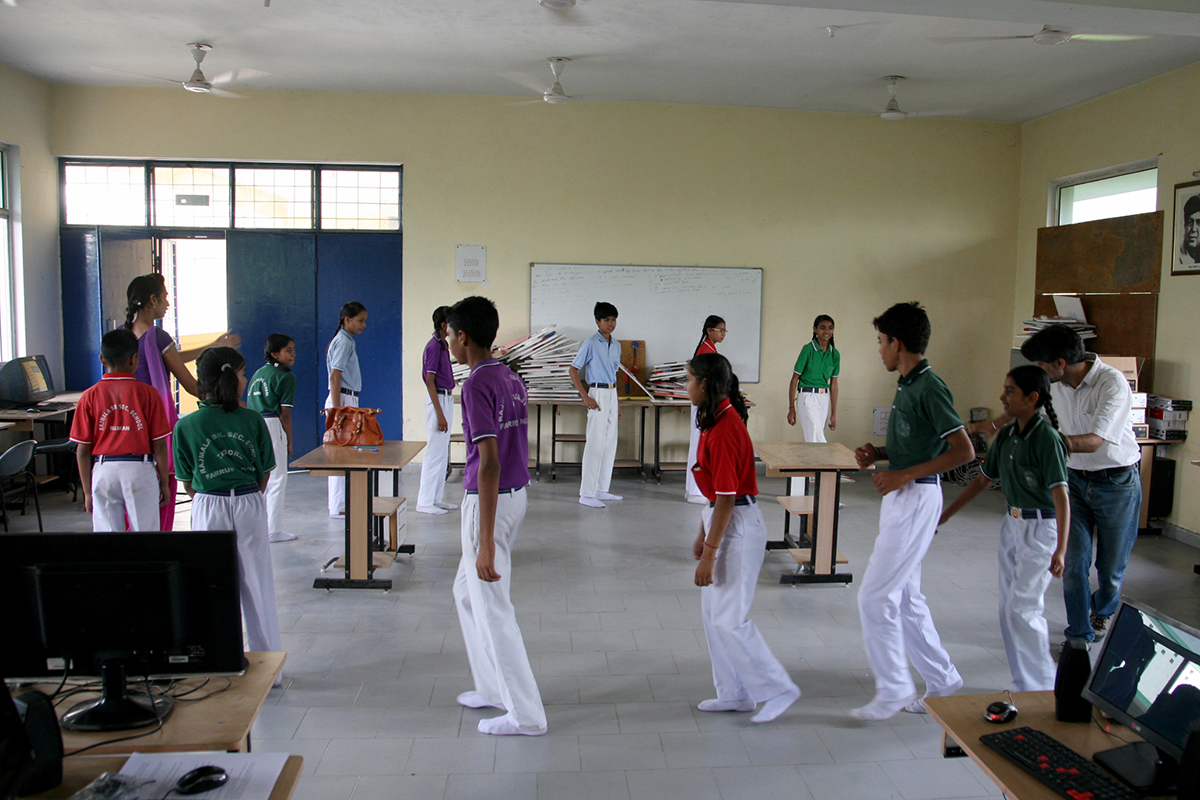
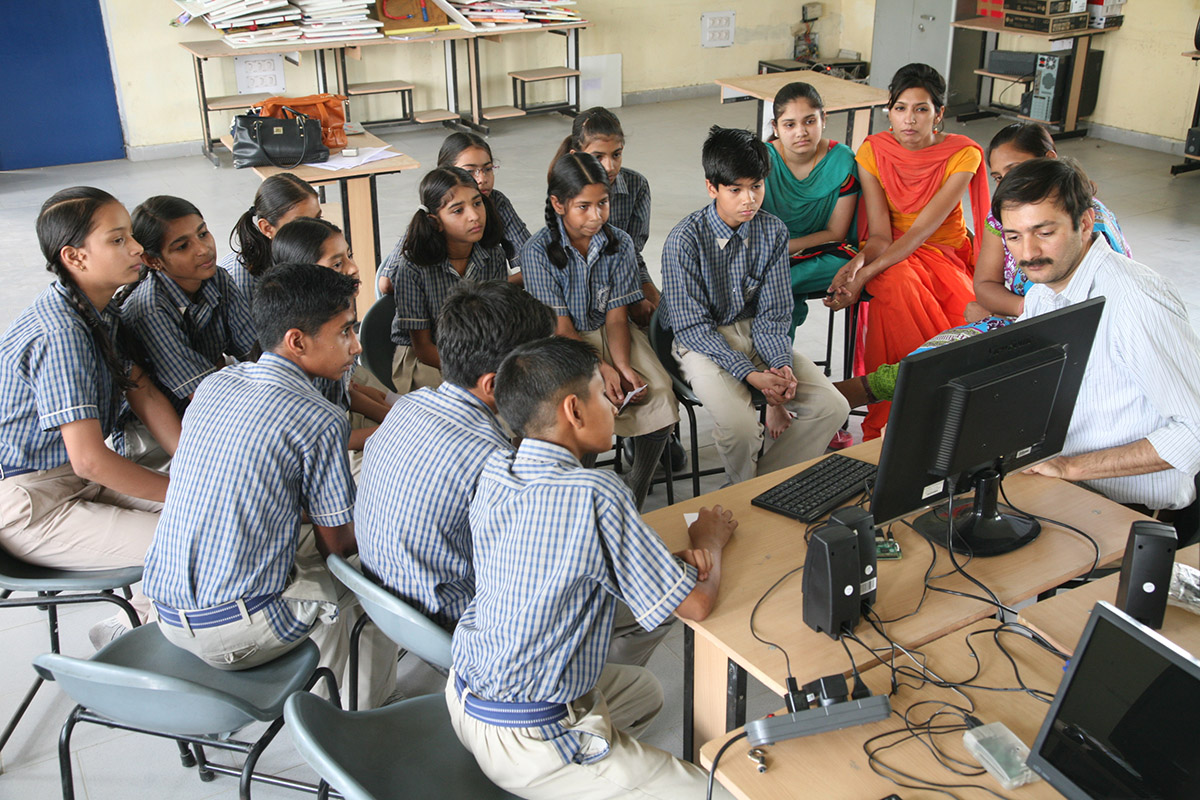
The first session was theatre games with two allied goals: One is to initiate a group dynamic, enable the ability to focus, the second was to encourage comprehension of instructions, as well as to introduce concepts pertaining to the coding activity. On both days, we began with the theatre games, but modifying them on the second day to address the awareness of the Raspberry Pi machines and programming.
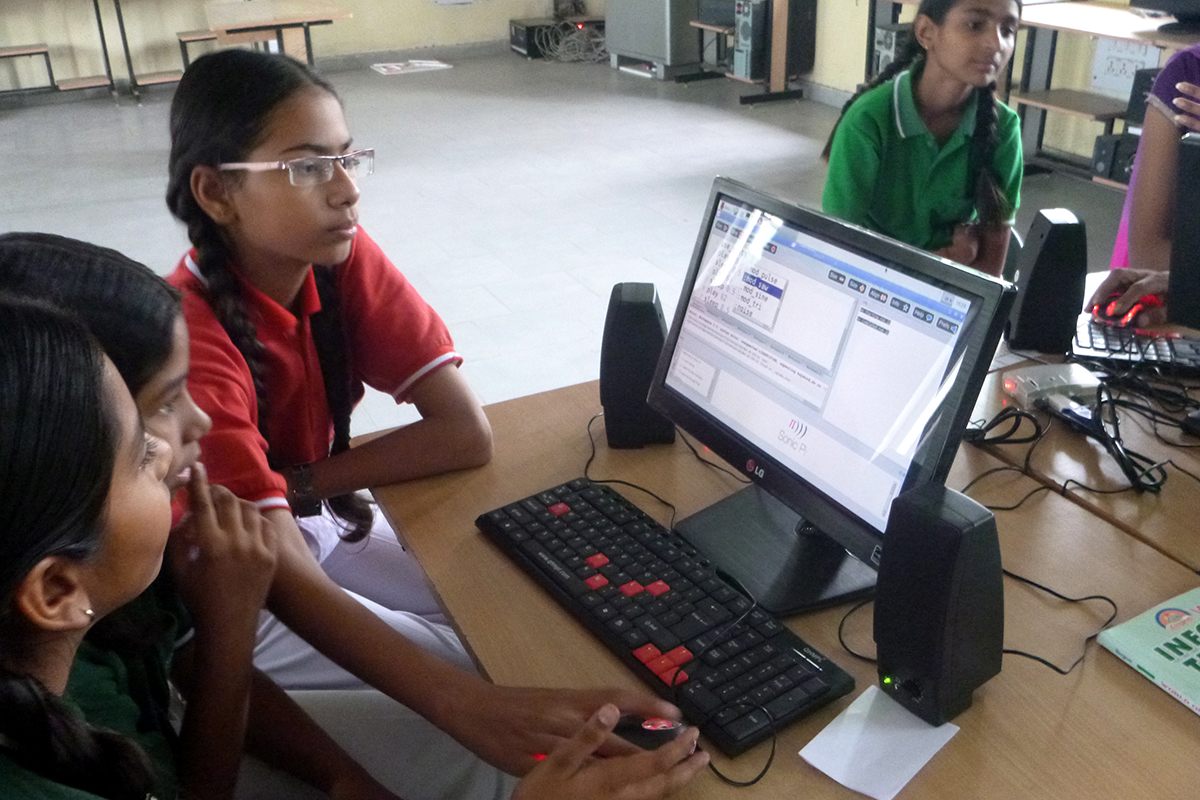
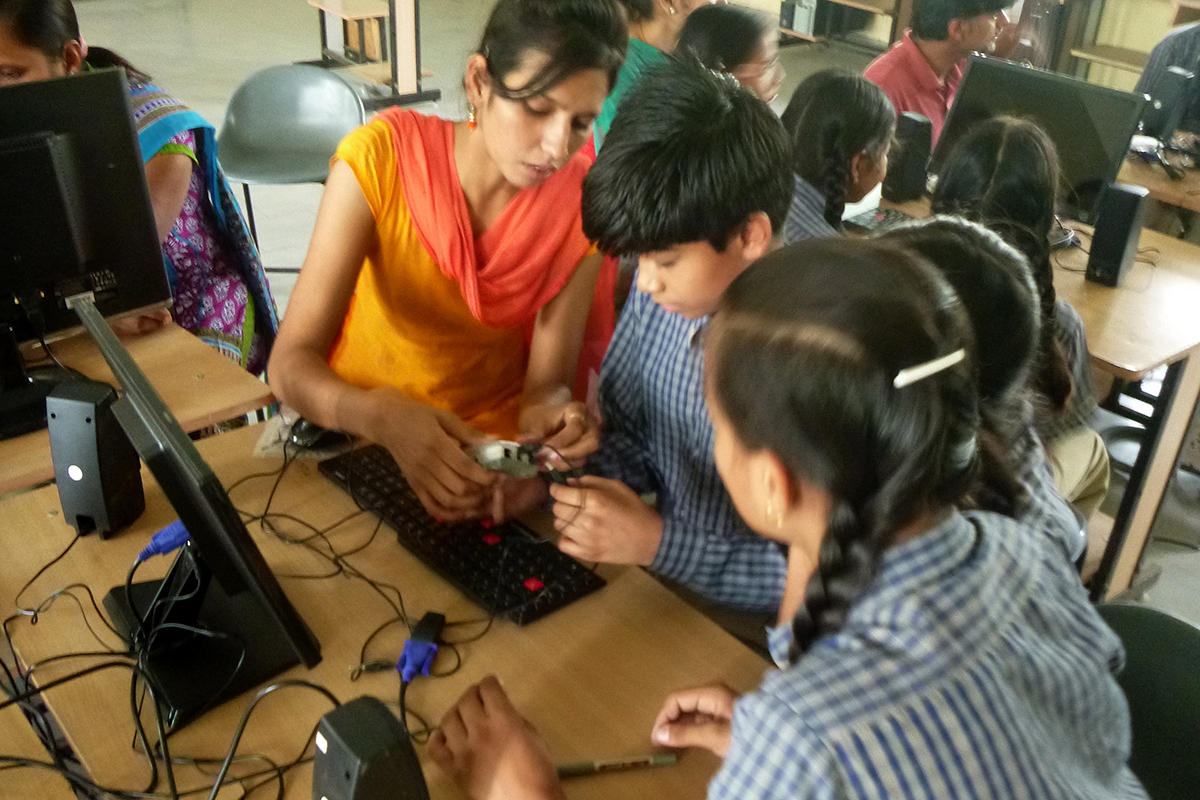
The second session focused on the machine and its programming. On the first day, we began with an introduction to the Raspberry Pi, its components, ports, peripherals, interface. The second day dealt with the use of Sonic Pi application, and preliminary commands. These were enough to get the students divided into four groups and start using commands to create a musical program on their own.
ACTUAL EXPERIENCE
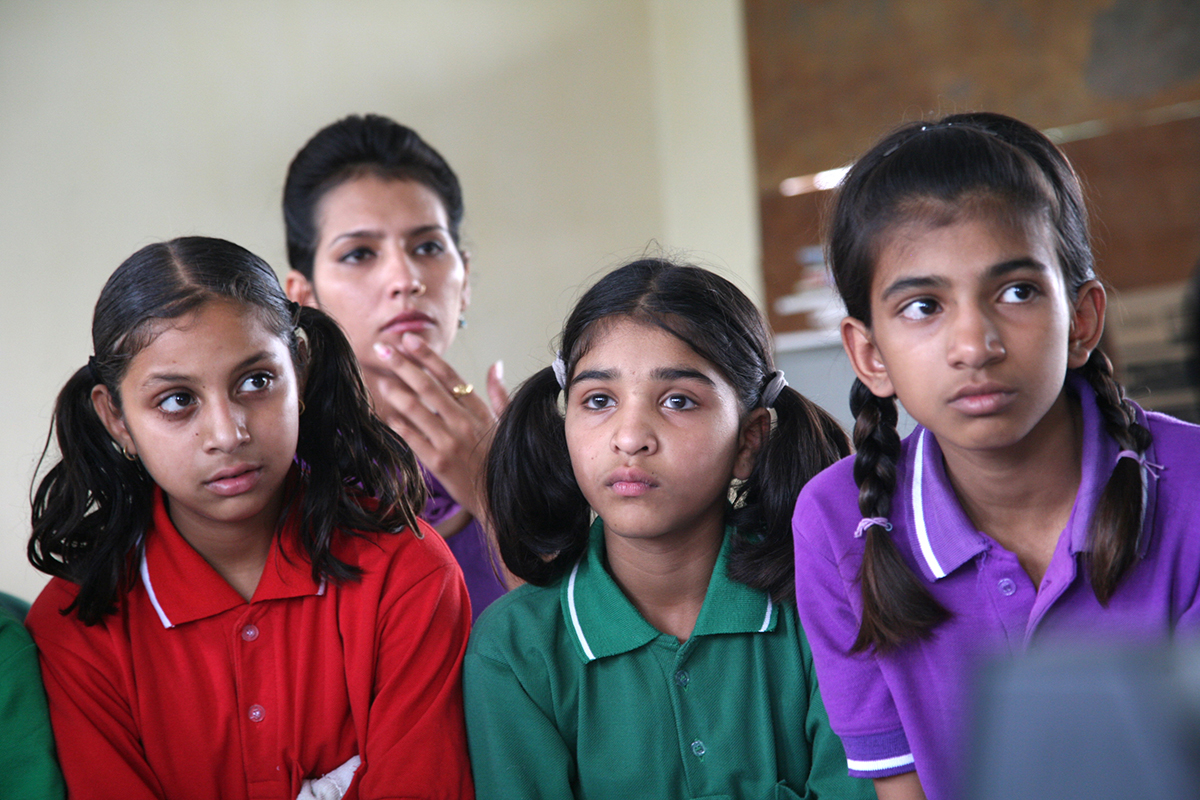
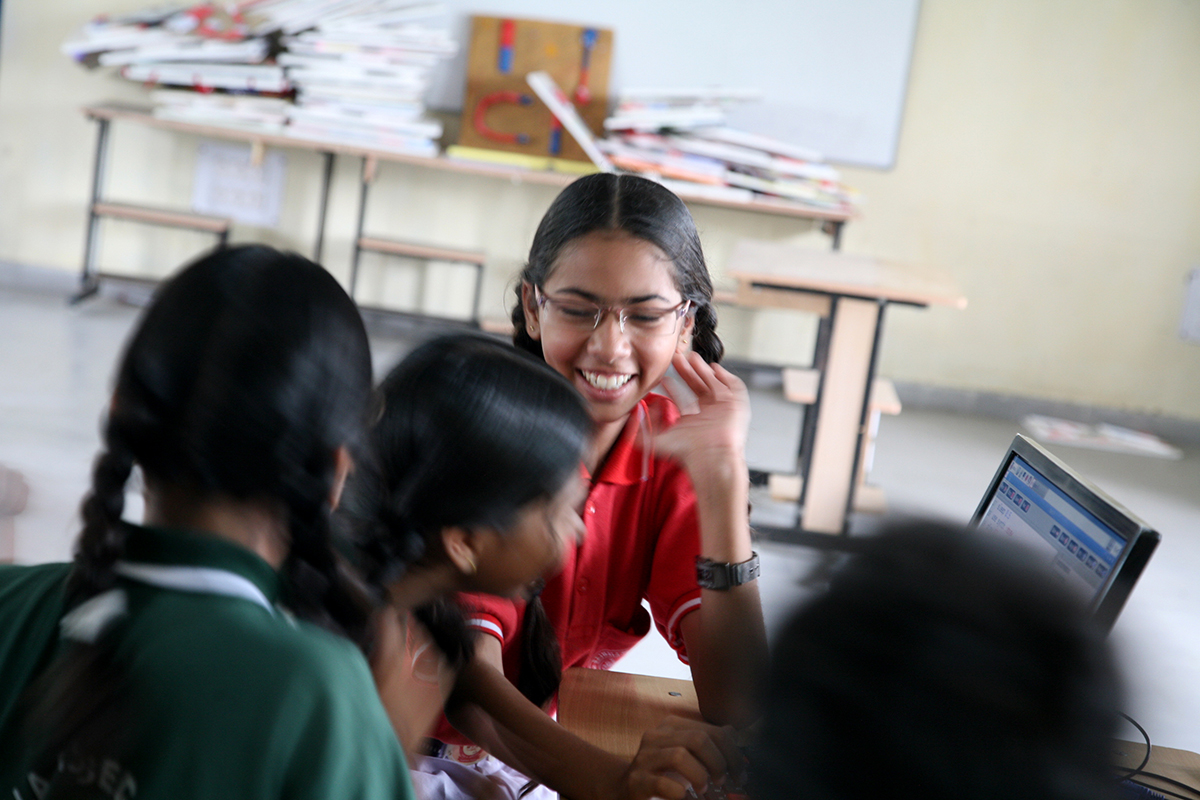
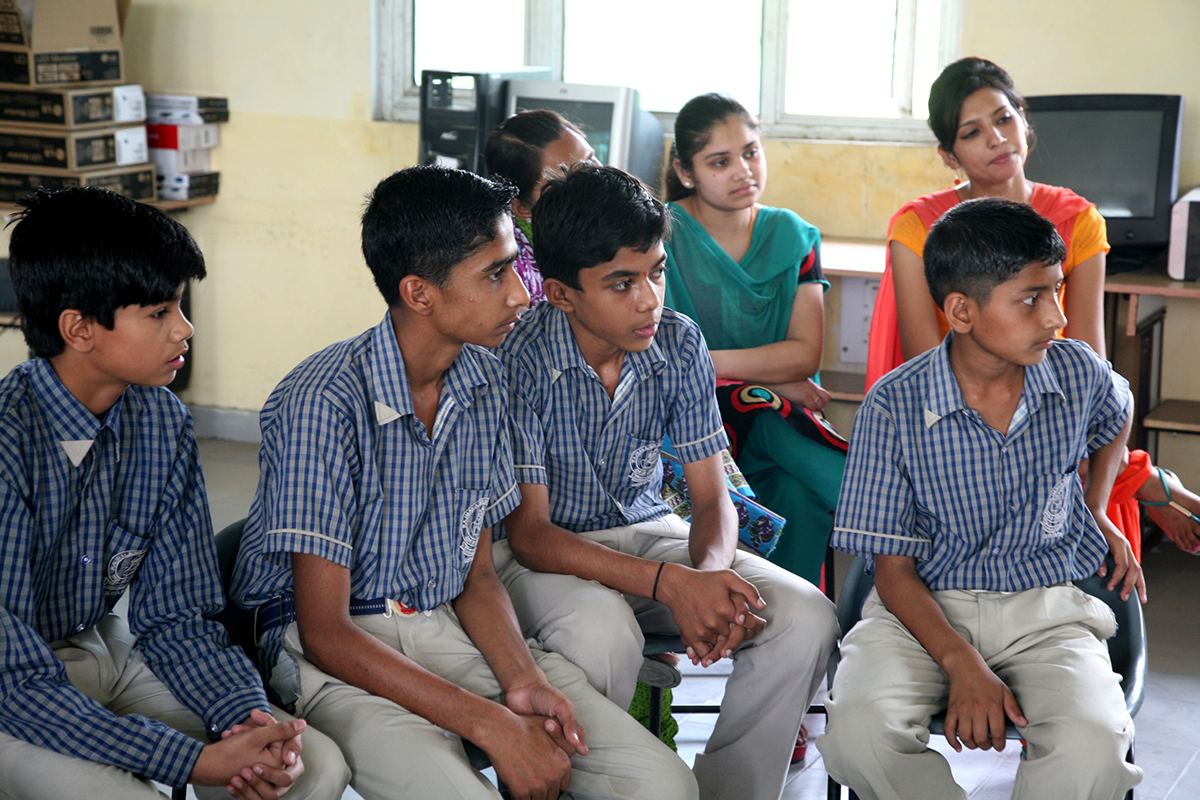
There was a high level of curiosity from the selected students and the teachers to find out more. The theater workshops and early morning group activities helped tremendously in preparing the group for the working sessions with the machines. Teachers were also encouraged to participate with the children which made it more enjoyable for all. Though there was a 2-3 year age gaps between the students (grades 7-8), it didn’t create any issues during group work and interaction. A natural tendency to group with known faces where possible was observed.
Many students were quite excited to learn more about the hardware itself and play with its connections and other possibilities, especially due to its price and possible re-use of existing material.
The instructions for Sonic Pi was simple enough for most to grasp very quickly and start experimenting in work sessions and create compositions/code relatively fast. Issues faced were related to syntax errors, hence debugging could become an important aspect of the teaching material.
Since this was a short form 2-day workshop, only basic code was taught and experimented with, but it was quite successful in getting the children immersed and interested in learning more. There is a happy anticipation of the full 5-day workshops in the near future.
ISSUES AND CONCERNS
The new machines are housed in the existing computer lab, and this raises a possible issue of logistics, as well as the matter of the use of these terminals for other activities. Though it is understood that these terminals will be eventually be provided to the school on a long term loan basis, security and monitoring of the machines may need to be addressed.
The teachers who participated in the workshop have shown great interest, and it is imperative that they become a key part of the workshop. They would be encouraged to take ownership of the activity and to extend the learning sessions beyond the 5-day workshops, to sustain the excitement and growth and to drive the project goals with a long term perspective plan. It may be possible to integrate the training imparted during the 5-day workshops in the regular classroom activities of the school or perhaps as and an extra-curricular element of the education plan. We do see the involvement of the teacher, the administration, the school leadership and the patrons as vital to the success of the program.
NEXT STEPS
This was a 2-day pre-workshop session, primarily to explore the viability of using this approach to teach younger children. We will follow this up with a longer and more involved workshop session with a similar age group based in New York. This will be held at the Parsons campus in mid-July. More details on the process and outcome will be posted, so stay tuned!
Instructors (from TripleC):
Kunal Jain
Jatinder Marwaha
Faculty present (from schools):
Ms. Shefali
Ms. Gauri
Students:
12 students from grades 6-8


